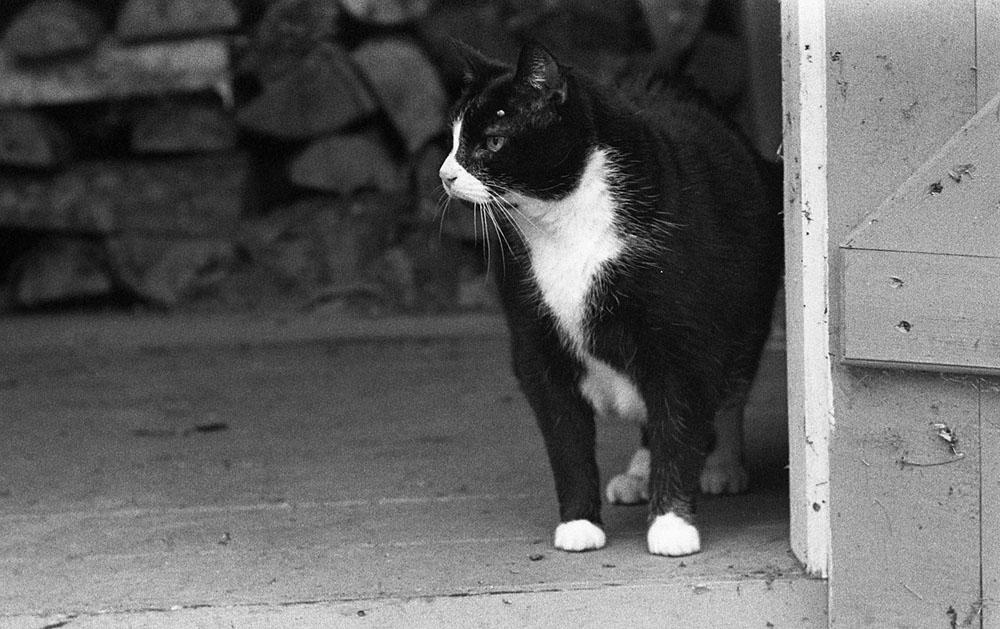
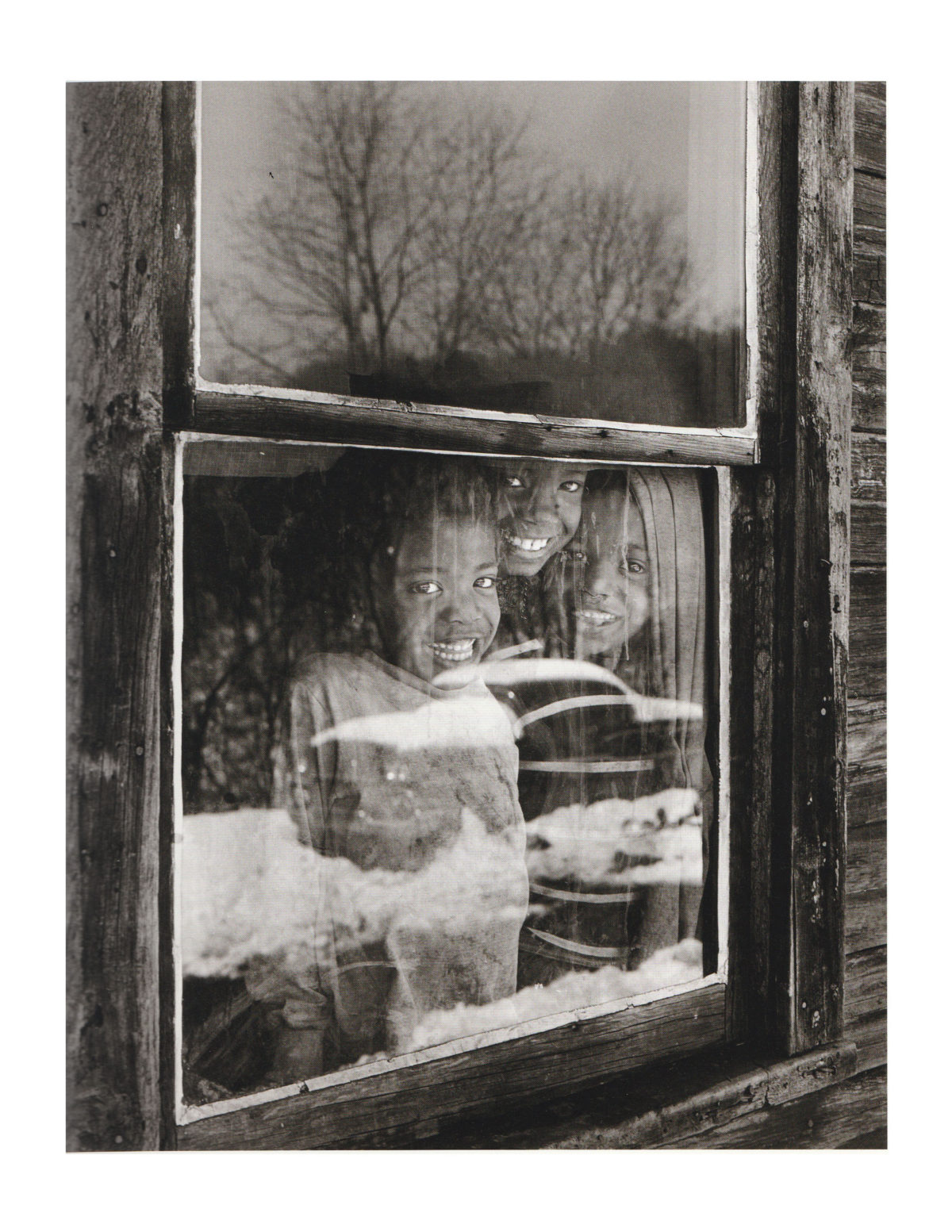
Like most 20-somethings, at 27, I was ready to take on the world! After three years of my first newspaper job as a photojournalist for a small-town daily paper, I was positive that I was ready to move up.
I managed to finagle an interview with the Director Of Photography at a very large, photo-oriented, metropolitan daily newspaper. I was very confident that my winning personality along with my portfolio of work, about 10-15 mounted Black & White prints, would seal the deal.
The DOP stoically, and rather quickly, looked through my work, saying nothing other than occasionally muttering, “hmmmm”. And of course, I frequently offered why such-and-such image was an important photograph. It didn’t take very long for him to finish with my very important work. As he sat back in his chair, I waited for him to offer me a job. Finally, he asked, “Mel, do you know what this work shows me?” I didn’t know.
“This shows me that you had access to these events,” he said matter-of-factly. I was crushed.
But I got over it and for the next 39 years, I often thought about that statement. And I tried to make images that offered a reader more than I merely had access.
Then there was the photojournalist friend, a Pulitzer Prize finalist, who was named Photographer Of The Year by the National Press Photographer’s Association (NPPA). (Long ago, I attended the judging at the University of Missouri’s Columbia School of Journalism of about 23,000 mounted prints submitted by approximately 1,500 photojournalists.) His work is spectacular. -And once he told me that all of the photographs that got him those accolades were taken within about a 50-mile radius of his newspaper. Traveling around the world to exotic foreign locales didn’t help other journalists out-gun him.
So, what’s my point?
First, let me say that I’m in love with photography. For most of my first decade professionally, I worked in Black & White. I also did work in chromes (slides) for freelance magazine assignments. But newspapers were all Black & White all the time. By the early 1980’s, color was showing up more and more in newspapers for competitive reasons. It often looked like color was used just for the sake of color.
Now, with the welcome resurgence of Black & White photography, I feel as though I’m seeing the same thing. Much like early color in newspapers often seemed solely for the sake of color, I think that some Black & White photographs that I have seen recently have much more invested in the Black & White process than in the quality of the imagery. Otherwise pedestrian photographs seem to be elevated by the fact that it is a wet-darkroom print from B&W film. And an average photograph from a far away land seems to hold sway over a beautiful image from the ‘neighborhood’. Contrary to what your loved ones and friends might tell you, access, or the ability to visit exotic places, doesn’t automatically translate to exceptional photographs.
Sorry if this sounds harsh for a medium that is clawing back from near-extinction. Maybe in current Black & White photography, people feel a connection to digital, as though Black & White evolved from digital photography. I don’t feel that way, because it didn’t. For me Black & White is the basis of photography…color and digital followed and are a sort of extensions. But maybe now, for many people, digital is the basis and film, color and Black & White followed.
In some ways, I’m new, again, to Black & White. For the past two years, I have returned to the B&W darkroom working in large format. I still do quite a lot of editorial assignments digitally, but more and more, I’m shooting B&W film. It is such a magical experience. I wish everyone would try it!
And remember, it is NOT shoot, shoot, shoot, shoot, look.
But it IS, look, look, look, look, shoot!
Mel Evans